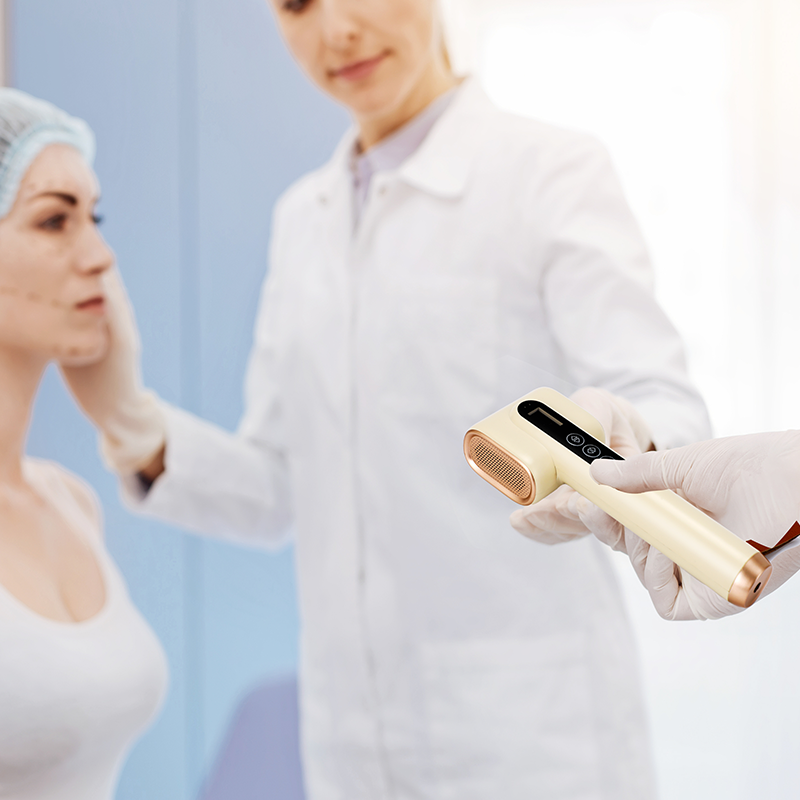
Ultraviolet light therapy remains a cornerstone in modern dermatology clinics worldwide. With advancements in medical technology, professional UV therapy devices now deliver more precise, controlled, and efficient treatment for a wide range of skin conditions.
In clinical environments, accuracy and safety are critical. Dermatology professionals rely on high-performance UV devices to provide consistent therapeutic results while minimizing risks for patients.
Clinical UV light therapy is commonly used to treat conditions such as vitiligo, psoriasis, and other inflammatory skin disorders. By delivering targeted ultraviolet wavelengths, clinicians can regulate immune activity in the skin and stimulate natural healing processes.
Unlike general light exposure, professional UV therapy devices are engineered to emit specific wavelengths under controlled conditions, ensuring treatment effectiveness and patient safety.
Medical-grade UV therapy equipment offers adjustable intensity levels, treatment timers, and focused light output. This allows practitioners to customize therapy plans based on individual skin types, condition severity, and treatment history.
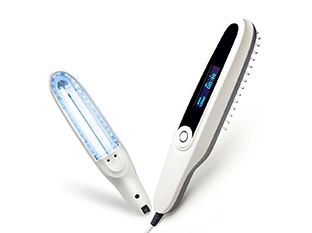
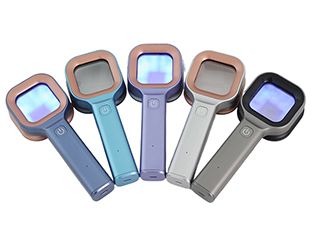
Handheld clinical UV devices are particularly effective for treating localized areas such as the face, hands, or joints. Their compact design allows dermatologists to maintain full control during treatment sessions, improving accuracy and efficiency.
Professional UV therapy is often integrated into comprehensive treatment plans that include topical medication or systemic therapies. When performed under medical supervision, UV therapy can deliver measurable improvements while maintaining a high safety standard.
Patients benefit from consistent treatment protocols, professional monitoring, and personalized adjustments, all of which contribute to better long-term outcomes.
Medical UV therapy devices are manufactured according to strict healthcare standards. Features such as precise wavelength control, heat management, and protective shielding are essential in clinical settings.
Dermatology professionals are trained to assess patient response, adjust treatment frequency, and ensure protective measures are in place, especially for sensitive areas like the face and eyes.
As dermatology technology continues to advance, clinical UV therapy devices are becoming more compact, efficient, and versatile. Improved ergonomics and digital controls allow for smoother workflows in busy medical environments.
For clinics focused on evidence-based treatment and patient-centered care, UV light therapy remains a reliable and proven solution. With ongoing innovation, professional UV devices will continue to play a vital role in modern dermatology practice.
 19May2024
 22May2024
 27Dec2024