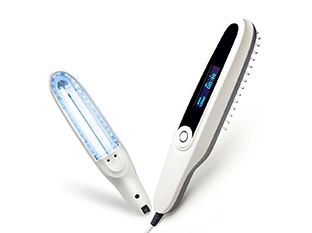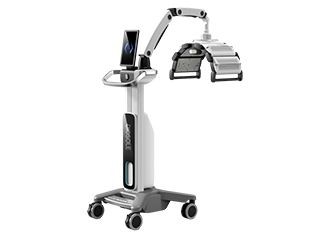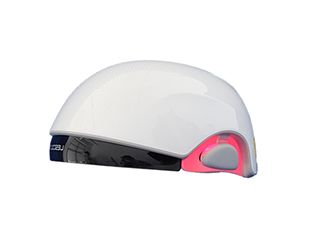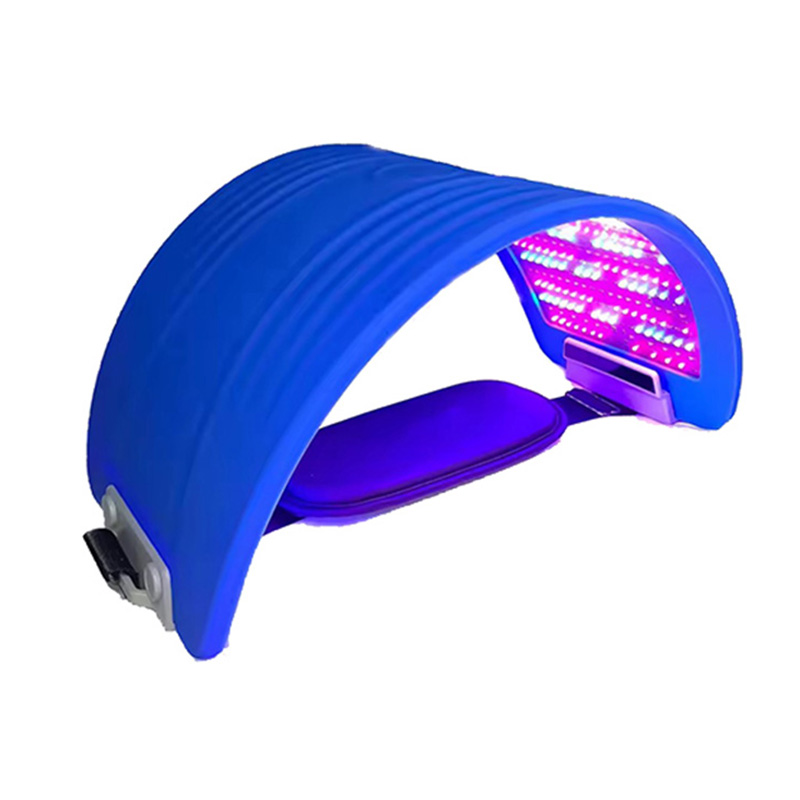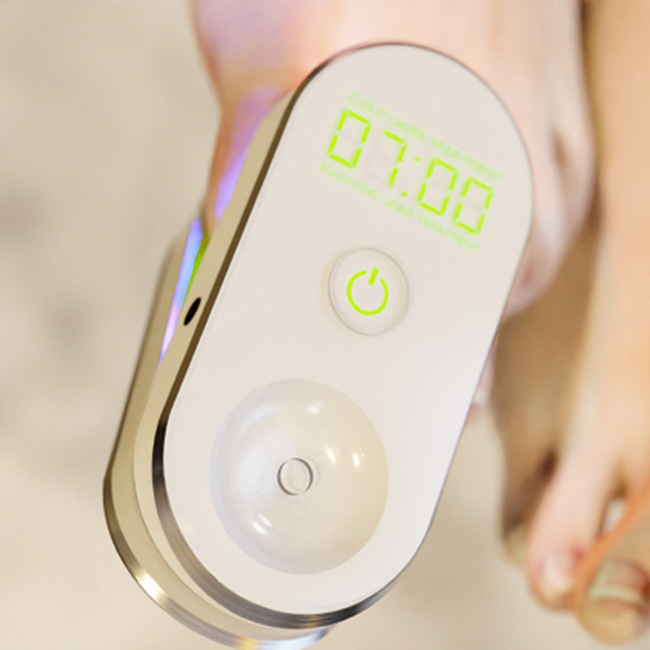
| Product Name | Medical grade uvb lamp uvb phototherapy instrument for vitiligo treatment |
| Voltage | 220V±10% |
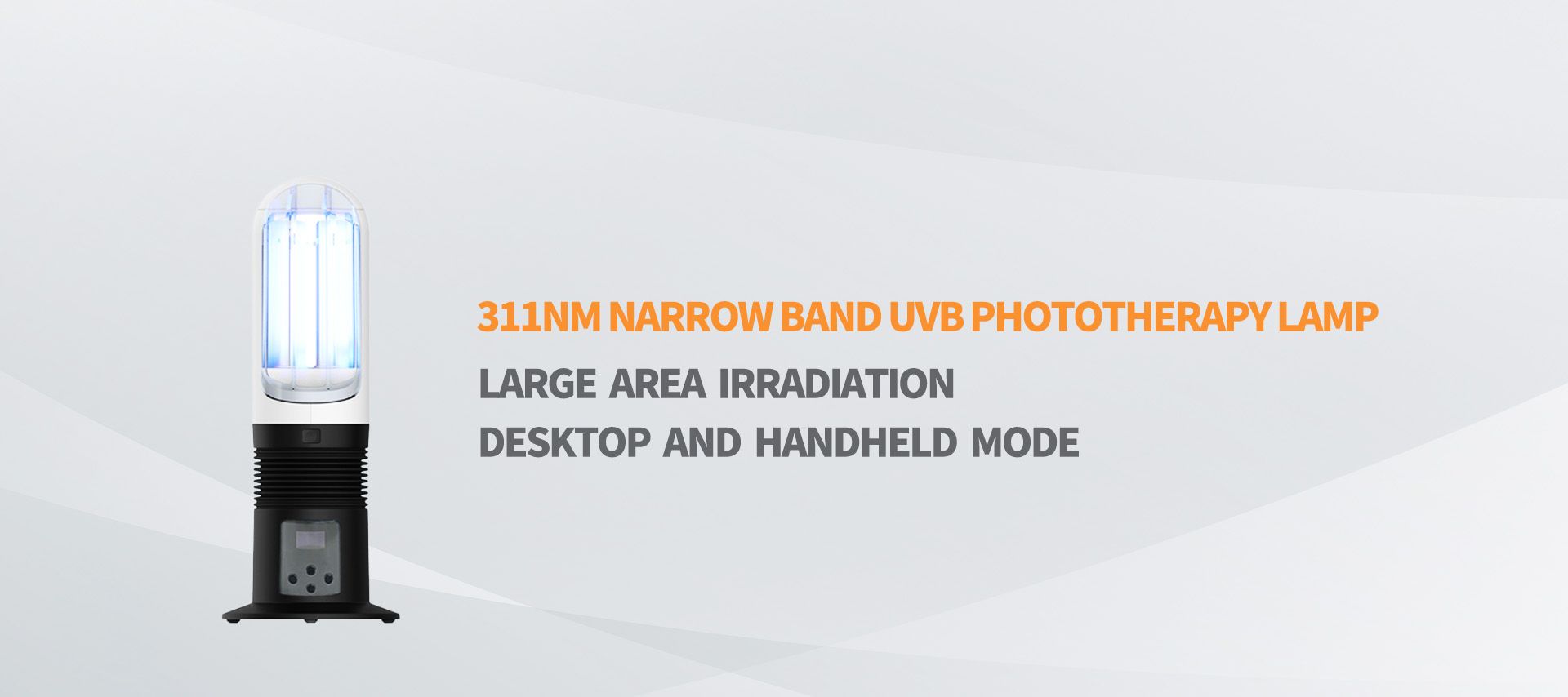
| Light Source | NB-UVB 311nm |
| Irradiation intensity | 2mW/cm2 |
| Irradiation area | 90*70mm |
| Internal battery | No |
| Screen | 0.96inch OLED |
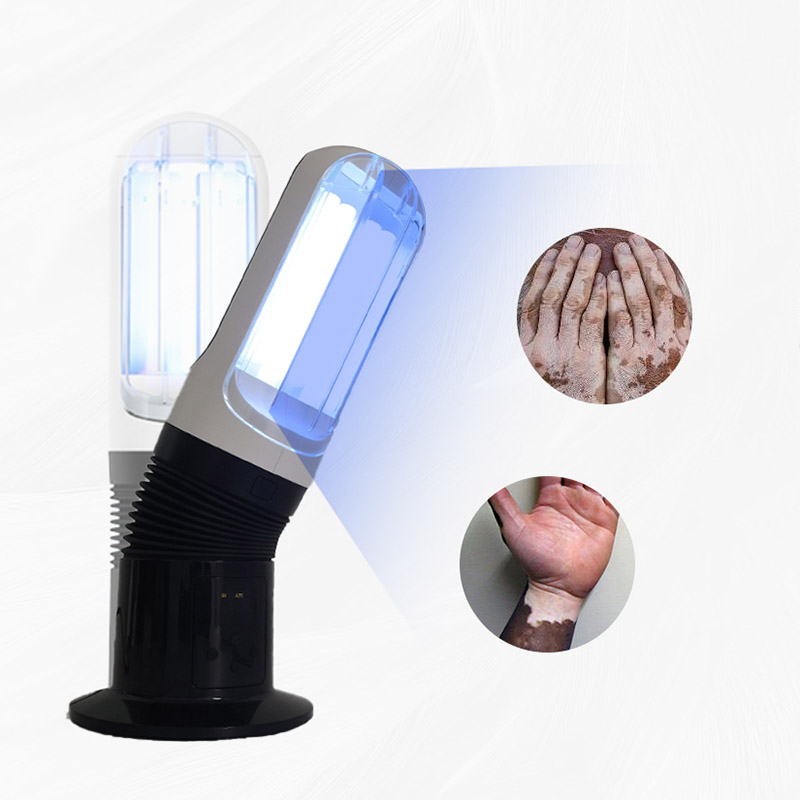
| Scope of application | Vitiligo, psoriasis, eczema |
| Applicable position | Flaky damaged areas such as limbs, head, chest, and back |
| Operation Mode | Dose/Time |
| Work distance | 3cm |
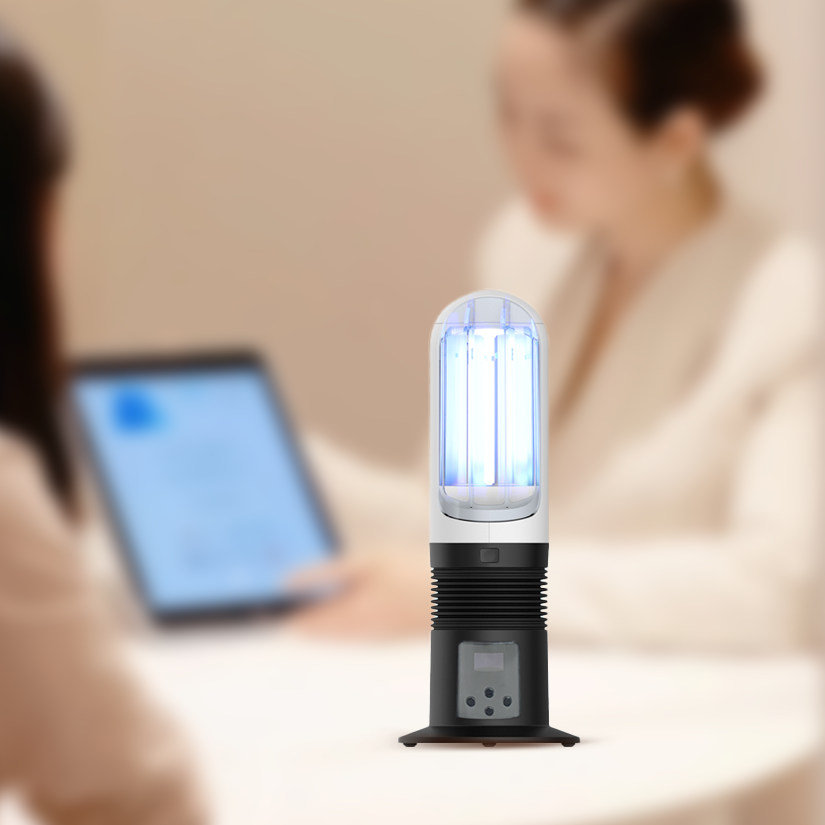
| Applicable scene | Home, office, beauty salon (SPA), clinic, hospital |
| Net weight | 1200g |
| Accessories | Extension cord, goggles |
● This UVB skin treatment equipment is developed specifically for chronic dermatological care, supporting long-term management of conditions such as psoriasis, eczema, and vitiligo through controlled ultraviolet exposure.
● By enabling repeatable and non-invasive therapy, the device helps patients integrate UVB treatment into ongoing care plans, supporting gradual improvement rather than short-term symptom suppression.
● The design supports extended treatment cycles, making it suitable for patients who require consistent care over months or longer periods under professional guidance.
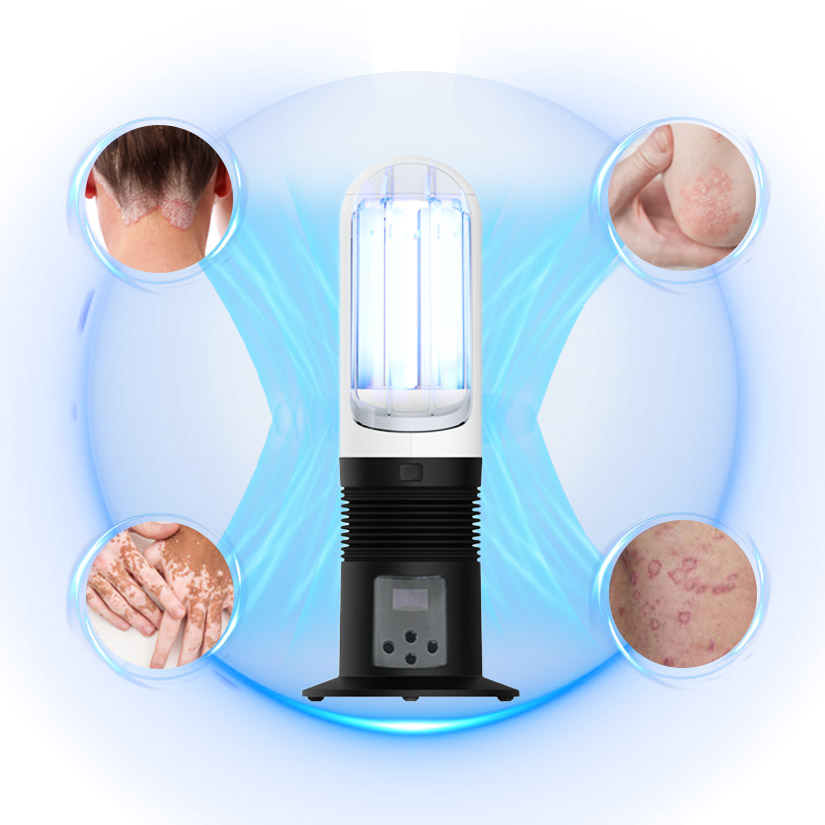
● Utilizing clinically accepted UVB wavelengths, the device provides a trusted light therapy option that aligns with dermatology treatment principles used in professional medical settings.
● This approach allows patients to continue dermatology-recommended UVB care at home or in clinics, helping bridge the gap between professional treatment and daily maintenance therapy.
● The controlled light delivery supports safe and structured treatment routines, helping reduce flare-up frequency and stabilize chronic skin conditions over time.
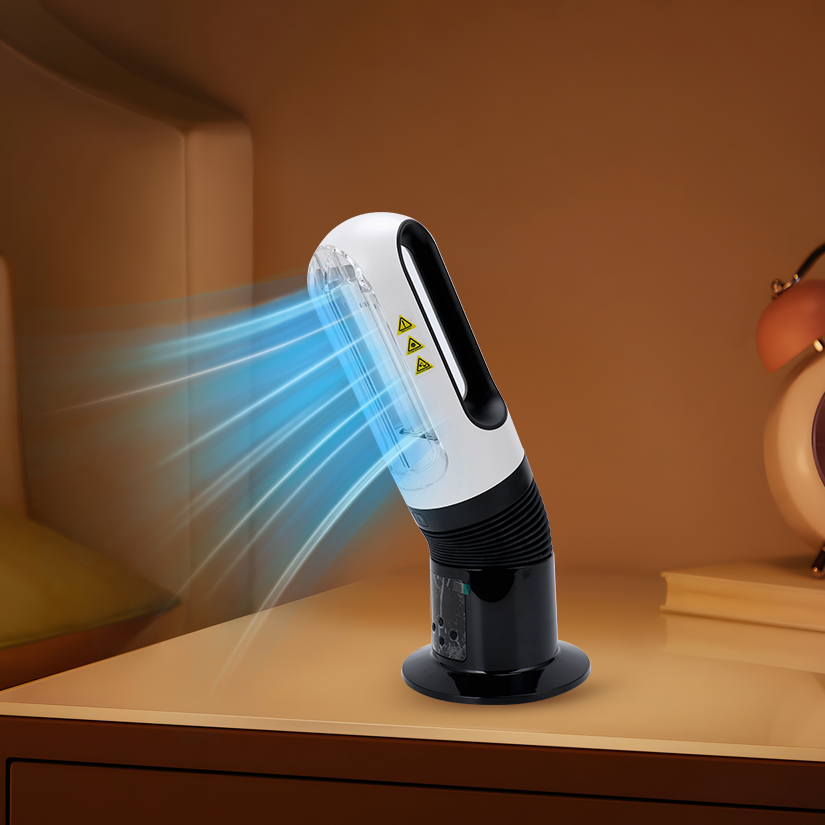
● UVB phototherapy offers a non-invasive treatment method that works at the skin level without systemic medication, supporting patients who prefer light-based care options for chronic skin management.
● By targeting affected skin areas directly, the device helps manage inflammation, pigmentation disorders, and persistent lesions while minimizing impact on surrounding healthy skin.
● This recovery-oriented treatment approach supports gradual skin improvement and long-term condition control, making it suitable for chronic dermatology care programs focused on sustainability and safety.