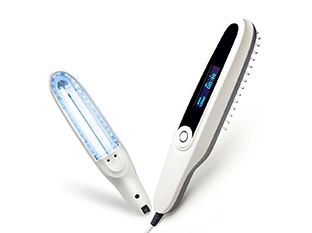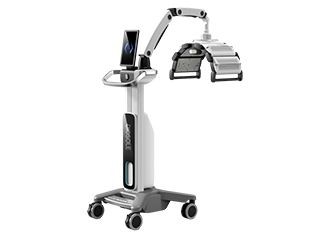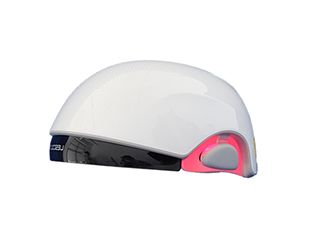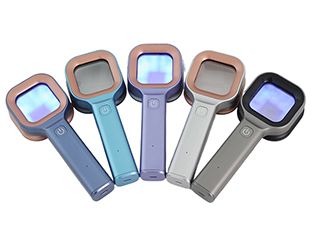
Vitiligo is a complex skin disorder characterized by the loss of pigmentation due to the disappearance or dysfunction of melanocytes. Affecting millions of people worldwide, vitiligo has both physical and psychological impacts, making effective and accessible treatment options critically important. Advances in phototherapy—particularly311 nm narrowband UVB light—have reshaped how clinicians approach vitiligo management.
Healthy skin color depends on melanin, produced by melanocytes located in the basal layer of the epidermis. In vitiligo, these melanocytes gradually disappear from affected areas, leading to visible white patches. While the exact cause varies among individuals, autoimmune responses, oxidative stress, and genetic predisposition are widely accepted contributing factors.
The disappearance of melanocytes disrupts the natural pigment cycle, and spontaneous repigmentation is rare without intervention. This makes therapeutic stimulation of melanocyte activity a primary goal in vitiligo treatment.
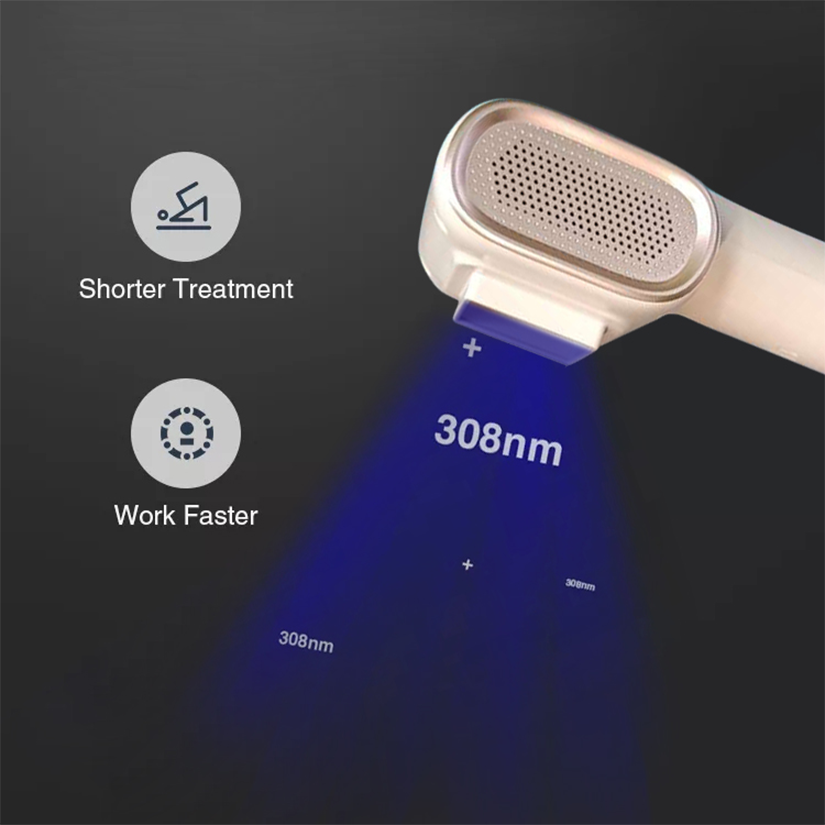
311 nm NB-UVB therapy works by activating dormant melanocytes and encouraging migration from nearby hair follicles into depigmented skin. Unlike sunlight exposure, which is unpredictable and often harmful, NB-UVB delivers controlled energy directly to the epidermis.
Clinical observations show that consistent NB-UVB treatment can gradually restore pigmentation, particularly on the face, neck, and trunk. The therapy also modulates immune responses, reducing the autoimmune activity that targets melanocytes in the first place.
Multiple dermatological studies confirm that NB-UVB is currently one of themost effective non-invasive treatments for vitiligo, either as a standalone therapy or combined with topical agents. Improvements are typically observed after several weeks of treatment, with optimal results appearing after long-term, consistent exposure.
While vitiligo remains a chronic condition, NB-UVB therapy provides patients with a realistic pathway toward visible improvement and long-term disease control.
Equally important is the psychological impact of vitiligo. The availability of reliable phototherapy options empowers patients to take an active role in their care, improving confidence and quality of life. As treatment technologies become more accessible, the management of vitiligo is shifting from clinic-only solutions toward more patient-centered models.
 25Jul2025