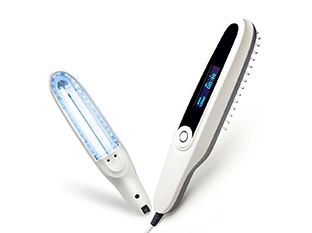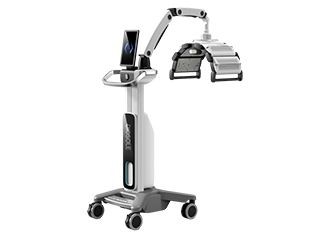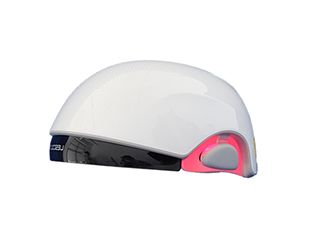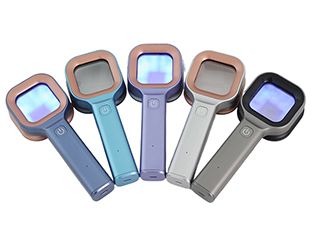
In recent decades, phototherapy has evolved from a broad-spectrum experimental approach into a highly targeted medical treatment backed by dermatological research. Among all wavelengths studied,311 nm narrowband ultraviolet B (NB-UVB)has emerged as a global standard for treating a wide range of inflammatory and pigment-related skin disorders. The growing adoption of this specific wavelength reflects not only clinical effectiveness but also a deeper understanding of skin biology and light–tissue interaction.
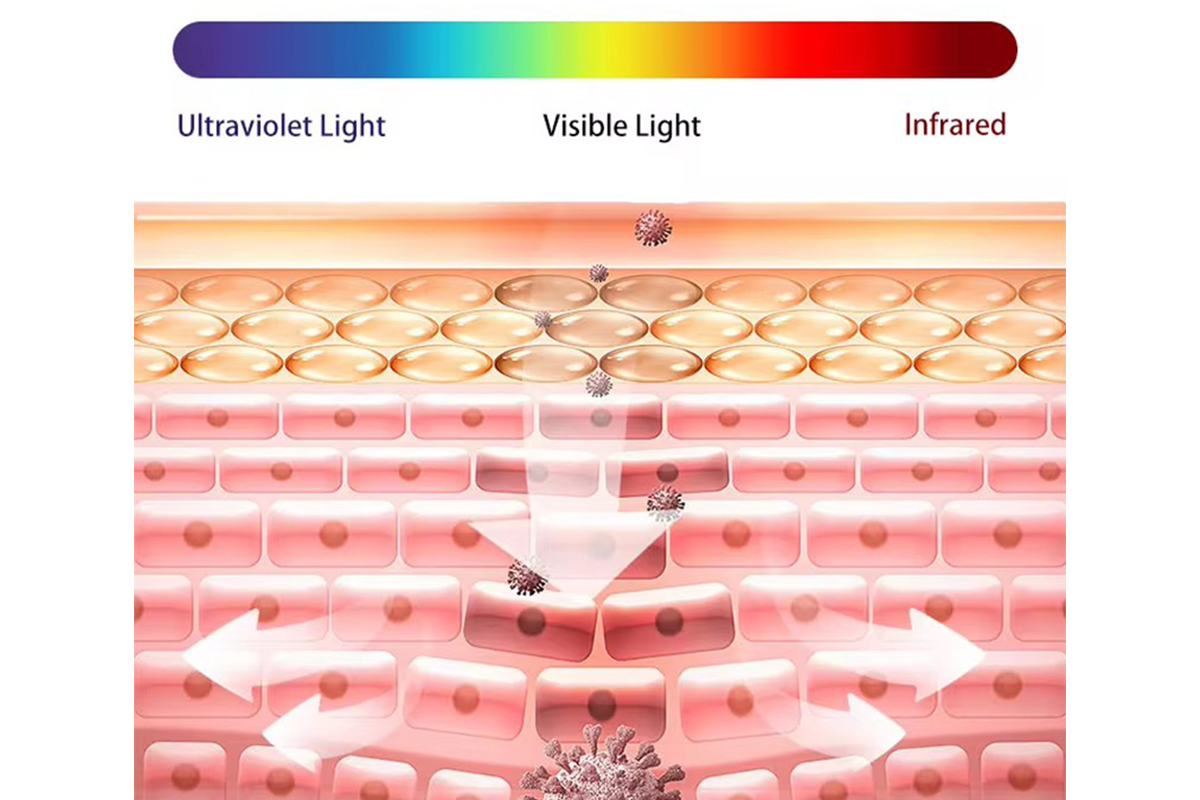
Human skin is composed of multiple layers, each responding differently to ultraviolet radiation. While natural sunlight contains UVA, UVB, and UVC components, uncontrolled exposure often leads to adverse effects such as sunburn, photoaging, and DNA damage. NB-UVB therapy, by contrast, isolates a narrow peak around 311 nm—a wavelength scientifically proven to deliver therapeutic benefits while minimizing unnecessary radiation exposure.
At the cellular level, 311 nm UVB penetrates primarily into the epidermis, where keratinocytes and melanocytes reside. This targeted penetration is essential. In conditions like psoriasis, excessive keratinocyte proliferation leads to thickened plaques and inflammation. NB-UVB slows abnormal cell growth while modulating immune responses in the skin.
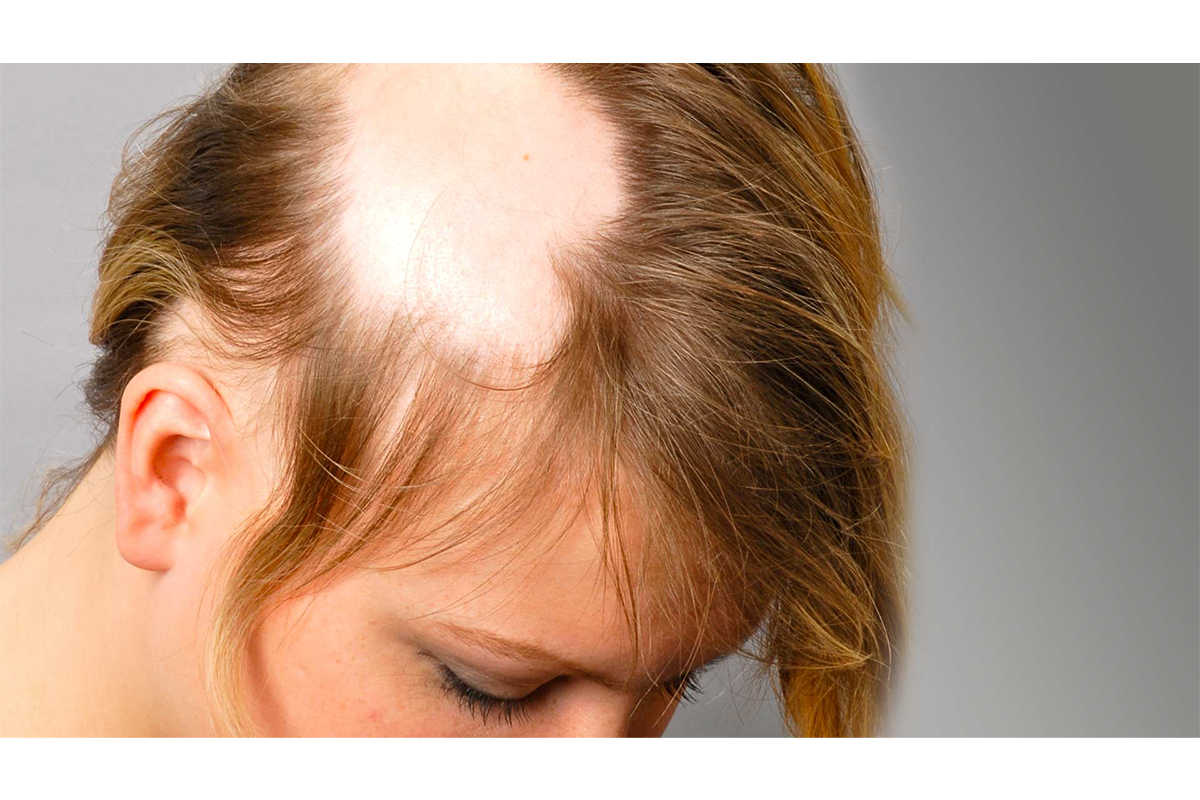
For pigmentary disorders such as vitiligo, research shows that NB-UVB stimulates residual melanocytes and melanocyte stem cells in hair follicles. Over time, this stimulation can encourage repigmentation, especially in early-stage or localized lesions. Importantly, the narrow wavelength reduces the risk of erythema compared with broadband UVB therapy.
Earlier generations of phototherapy devices relied on broadband UVB, which exposed patients to a wide range of wavelengths—many of which offered no therapeutic value. Studies comparing broadband and narrowband UVB demonstrated that311 nm NB-UVB achieves similar or superior clinical outcomes with fewer side effects, making it the preferred option in dermatology clinics worldwide.
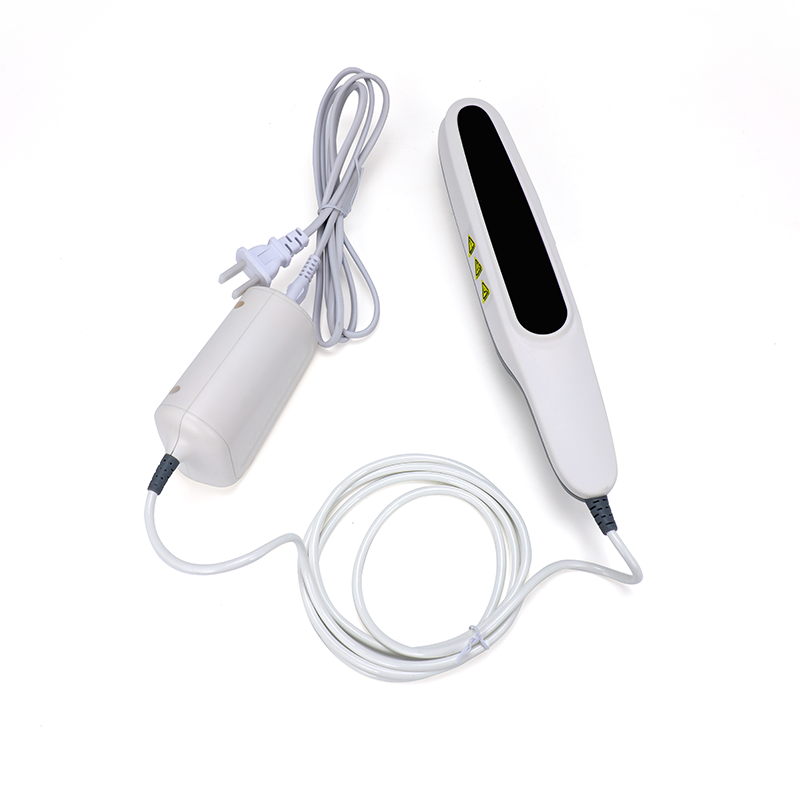
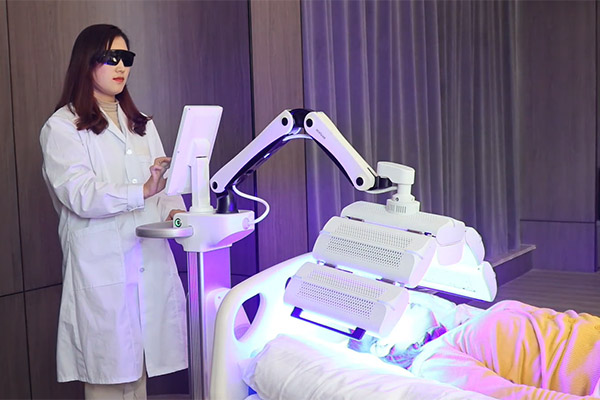
Another advantage is dose precision. With a known wavelength peak, clinicians can design structured treatment protocols that gradually increase exposure while maintaining safety. This predictability has helped standardize phototherapy across hospitals, outpatient clinics, and increasingly, home-based treatment settings.
Safety remains a critical concern in any UV-based treatment. Long-term studies indicate that NB-UVB has a significantly lower carcinogenic risk compared to PUVA therapy or uncontrolled sun exposure. By avoiding UVA and unnecessary shorter UVB wavelengths, NB-UVB minimizes cumulative skin damage when used according to clinical guidelines.
As phototherapy continues to evolve, the success of 311 nm NB-UVB demonstrates howprecision medicine and targeted wavelengthscan transform traditional treatments into safer, more effective therapeutic solutions.
 21Dec2023